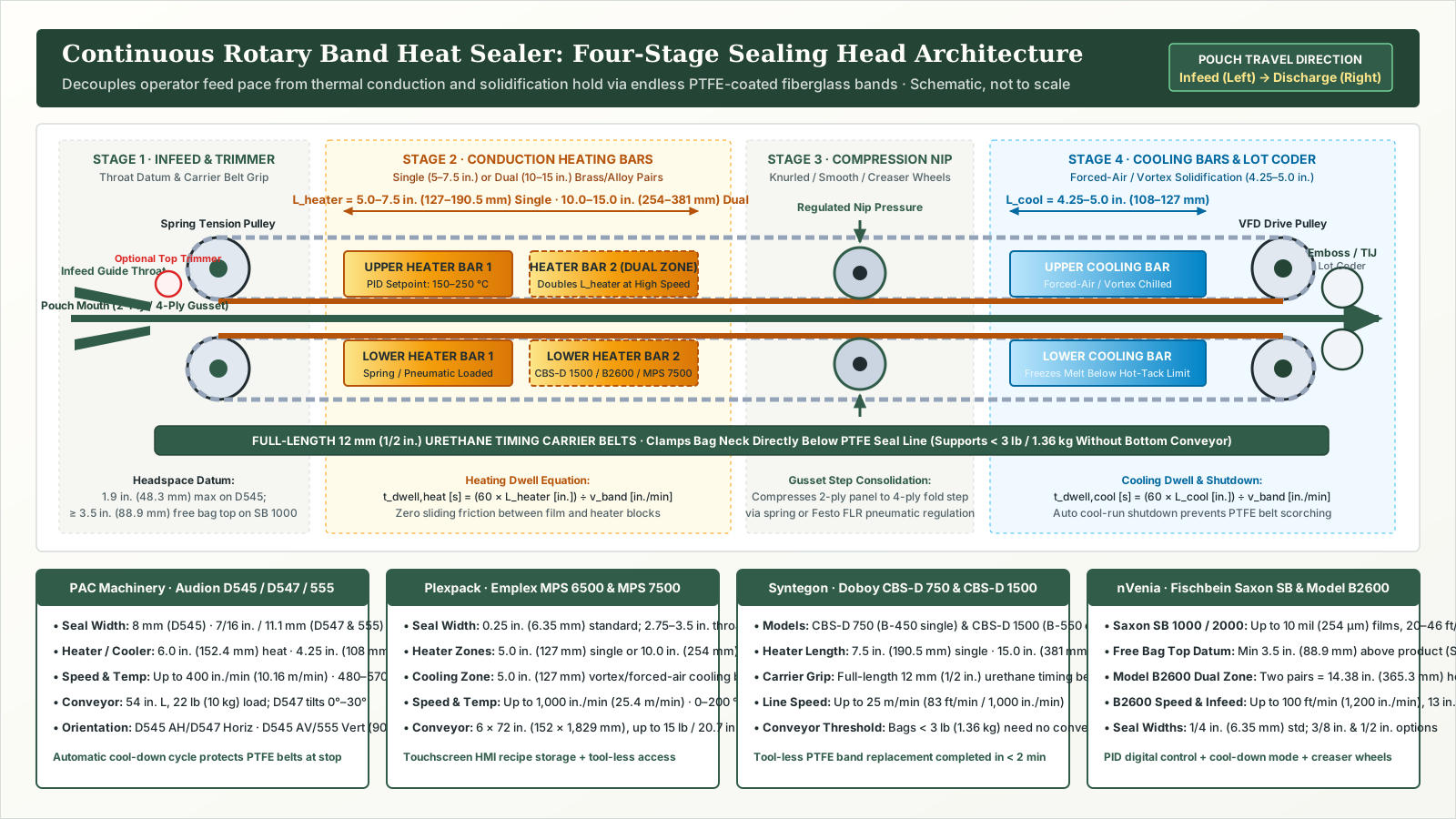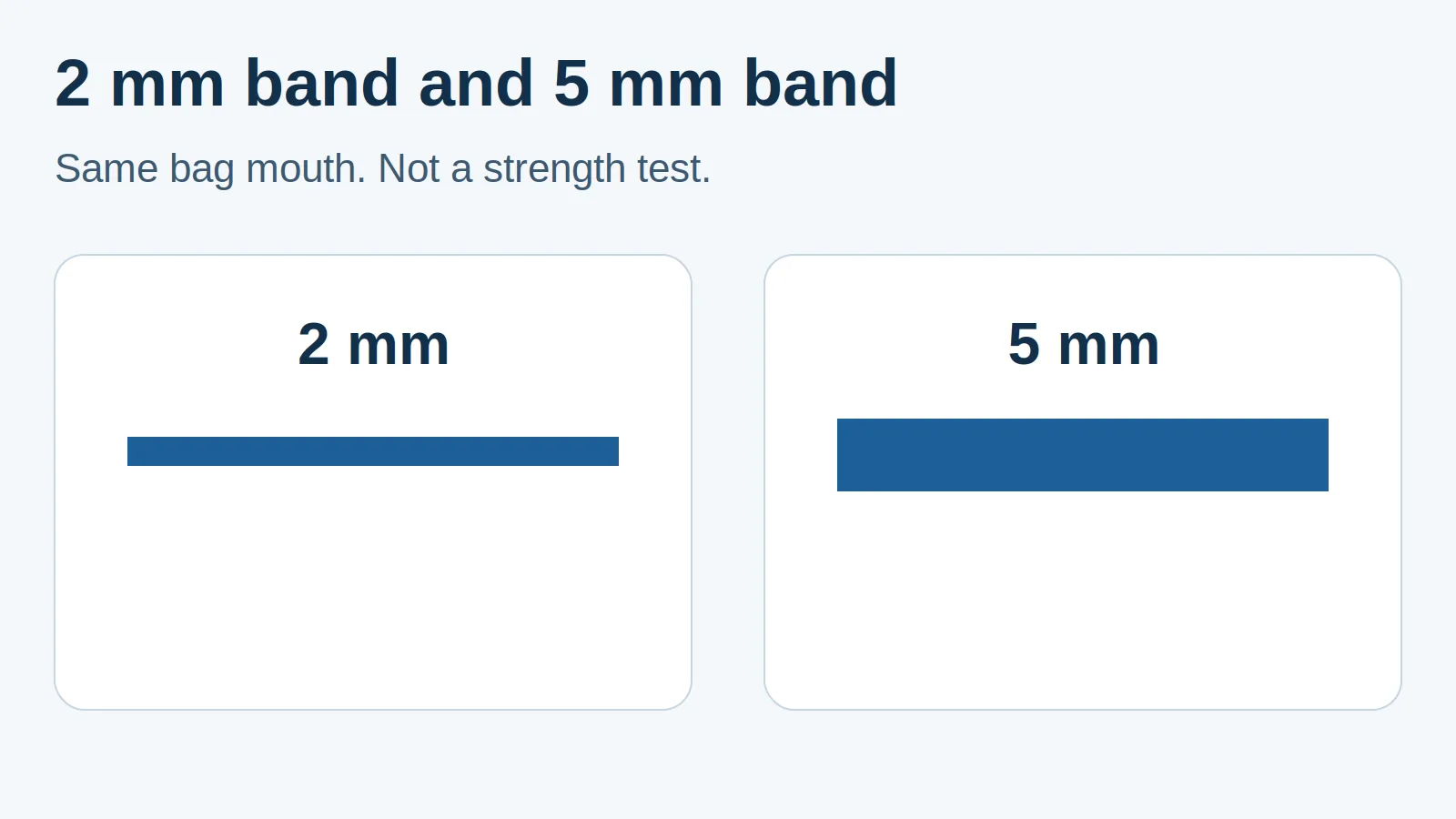
Missing parts can consume more time than closing the bag. For small-batch kitting, release a defined kit list, stage one active job and keep shortages separate from accepted output.
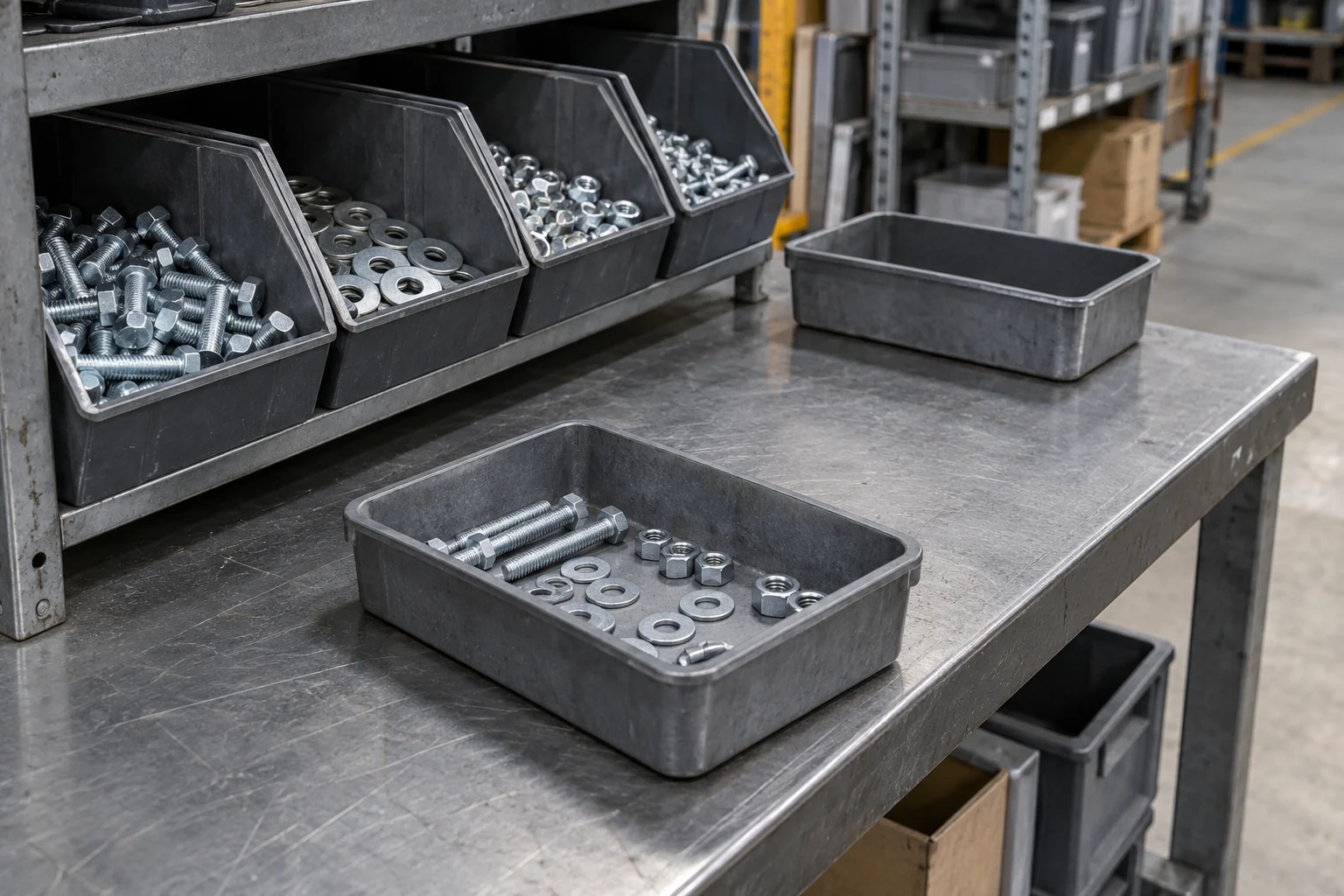
Use an order-specific traveler to connect the kit definition, component lots, assembly check and final pack. A small bench can work well when operators can identify the current job and stop an incomplete kit without mixing it into finished work. Add assistance to the step that actually causes delay, after measuring the whole job.
Release a kit definition before moving stock
Start with a bill of materials that identifies the kit revision, component identity and quantity per kit. Include the finished package and label version. A picture helps distinguish parts, but the released part identifier remains the reference when two components look alike.
Interlake Mecalux’s kitting explanation describes the relationship between a bill of materials, warehouse tasks and completion reporting. For a smaller operation, the same handoff can use a controlled traveler rather than a new warehouse system. The record still needs an owner and a way to withdraw an obsolete version.
If a component is missing, record the shortage before releasing work. Do not allow operators to silently substitute a similar item. An authorized substitution needs its own recorded decision and any resulting label or instruction change.
Arrange the bench around the active job
Keep incoming stock, work in progress and released kits physically distinct. Place the most frequently handled components within the working area, while leaving a separate replenishment position so a new container does not obscure the source lot already in use.
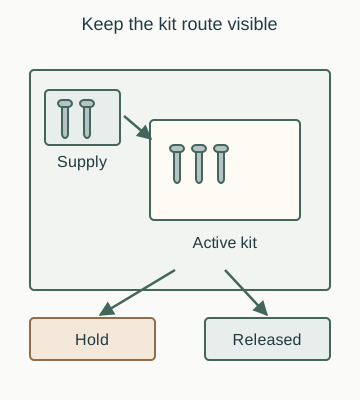
| Position | What belongs there | Evidence before it moves on |
|---|---|---|
| Incoming staging | Components reserved for this order | Identity and lot matched to the traveler |
| Active assembly | One identifiable job and its instructions | Components selected and quantities checked |
| Hold area | Incomplete or uncertain kits | Reason, quantity and decision owner recorded |
| Packing handoff | Kits permitted to enter the bag or carton | Current pack and label version available |
| Released output | Accepted finished kits | Release decision linked to the order |
A cart or a marked tray can serve each control point on a small order, ensuring any unresolved kit has an unmistakable destination.
Split replenishment from verification
Replenishing a bin changes the evidence available at the bench. Check the replacement component identity before combining stock, and preserve the lot relationship where the product requires traceability. If that relationship cannot be maintained in a mixed bin, clear it or use a fresh container according to the site’s material-control procedure.

Assign one person to resolve exceptions during a run. The assembler should be able to pause work with a short reason such as “component mismatch” or “quantity uncertain,” rather than having to make a purchasing or quality decision while packing.
Add bagging assistance at the measured handoff
A hand-loaded bagger can assist bag presentation and closure while the operator still assembles the contents. PAC Machinery’s Rollbag brochure, in its Bagger Basics section, describes both manual feeding and automatic feeding options. That distinction matters: changing the bagging step does not automatically change the part-selection task.
Observe where the queue forms. If completed kits wait for a bag, investigate presentation and sealing. If the bagger waits for parts, review replenishment and selection first. Use the small-parts bagging trial for the equipment decision, and the counting and release checks for error control.
Carry this traveler through a complete order
Record order and kit revision; planned quantity; component and packaging identities; cleared previous job; first-piece decision; interruptions and shortages; assembled, held and accepted counts; final release owner. At closeout, reconcile unused components and labels before staging the next order.
Measure from job release to accepted output, including cleanup and clearance. The small-batch cost model uses that same boundary, so improvement at one step does not conceal additional work elsewhere.
Method and scope
This workstation workflow integrates warehouse kitting principles with tabletop bagging boundaries. Align the traveler fields with your site-specific material controls and equipment manuals, and continue with the small-batch packaging collection to compare workflow and cost. Updated October 2026.