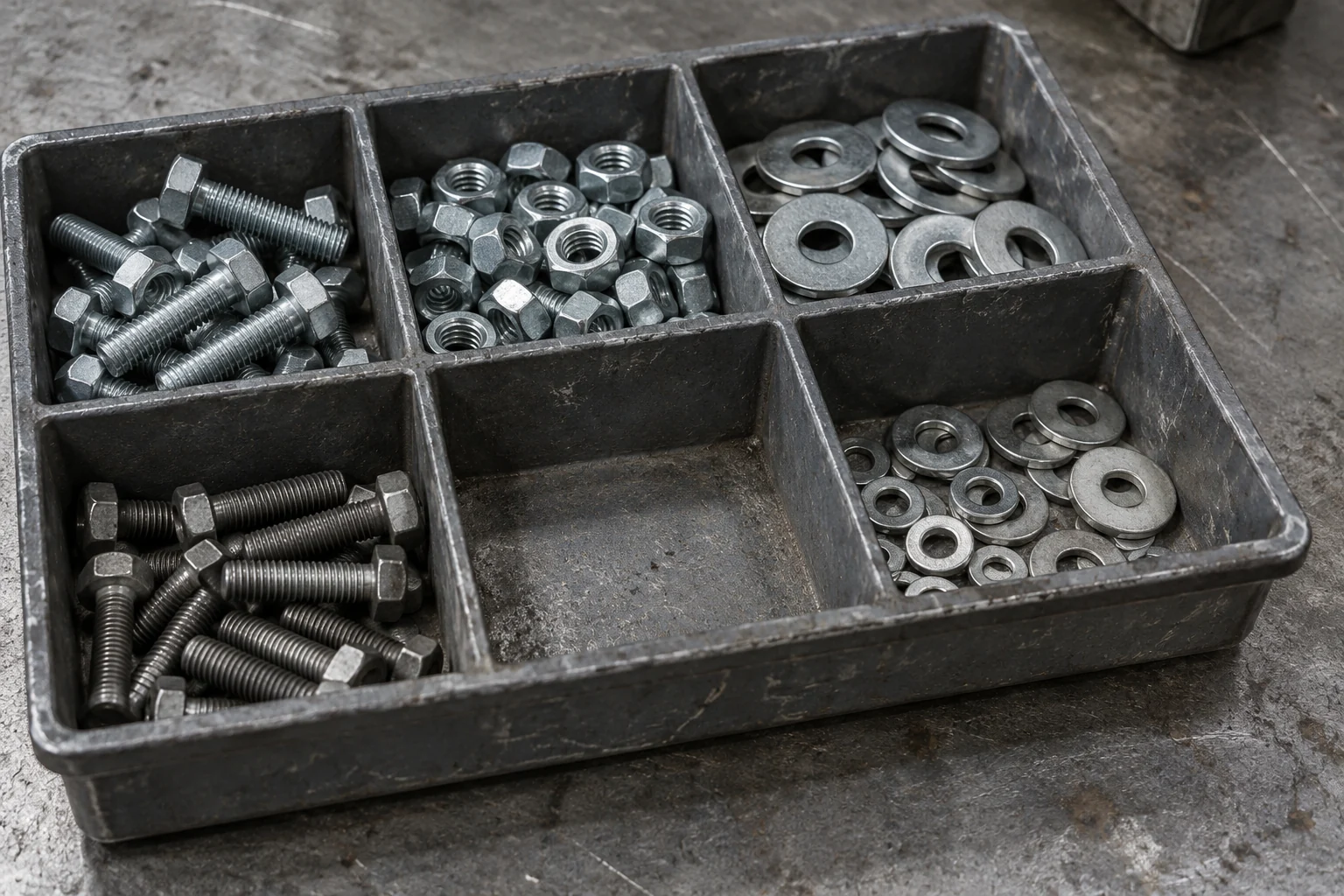
kitting equipment
Kitting Quality Control: Counting and Workstation Checks
Match missing, extra and incorrect kit components to practical counting, identity and release checks at a small-batch workstation.

POSSITIVITY / GUIDE COLLECTION 01
Separate the job of selecting the right parts from the job of closing the bag.
Find a guide ↓CollectionBEFORE YOU BEGIN
For high-mix work, begin with the contents of the kit and the errors that would matter to the next user. A bagger can present and seal a bag while an operator loads the parts. A counter may help with repeated identical items. Neither choice by itself establishes that the kit contains the correct revision of every component.
Build a sample set that includes the awkward parts: nested washers, long fasteners, flexible components and items that look alike. Record how operators load them, how the bag stays open and where the final count is checked. A short run of an easy product can conceal the work needed between orders.
Use the quality-control guide to decide which error each check should catch. Then use the bagging guide to compare manual and assisted loading on the same mix. Keep uncertain kits in a distinct holding area so that a completed seal cannot be mistaken for release approval.
When bag opening and manual labeling slow down hand assembly at the bench, compare a tabletop bagging machine and pre-opened roll bagger setup alongside the small-parts bagging workstation trial.
THE READING SHELF
Use Kitting Quality Control: Counting and Workstation Checks to match missing, extra and incorrect kit components to practical counting, identity and release checks at a small-batch workstation.
Use Small-Parts Bagging for High-Mix Kitting Workstations to compare manual bags and assisted bagging on real high-mix kits, including part behavior, bag support, changeover and accepted output.
Use Tabletop Bagging Machine Setup: Pre-Opened Roll Baggers, Next-Bag-Out Printing, and Kitting Math to configure a tabletop bagging machine and pre opened roll bagger: compare tabletop autobag style bagger specs, slit-lip inflation math, and next-bag-out TTO.
kitting equipment
Match missing, extra and incorrect kit components to practical counting, identity and release checks at a small-batch workstation.
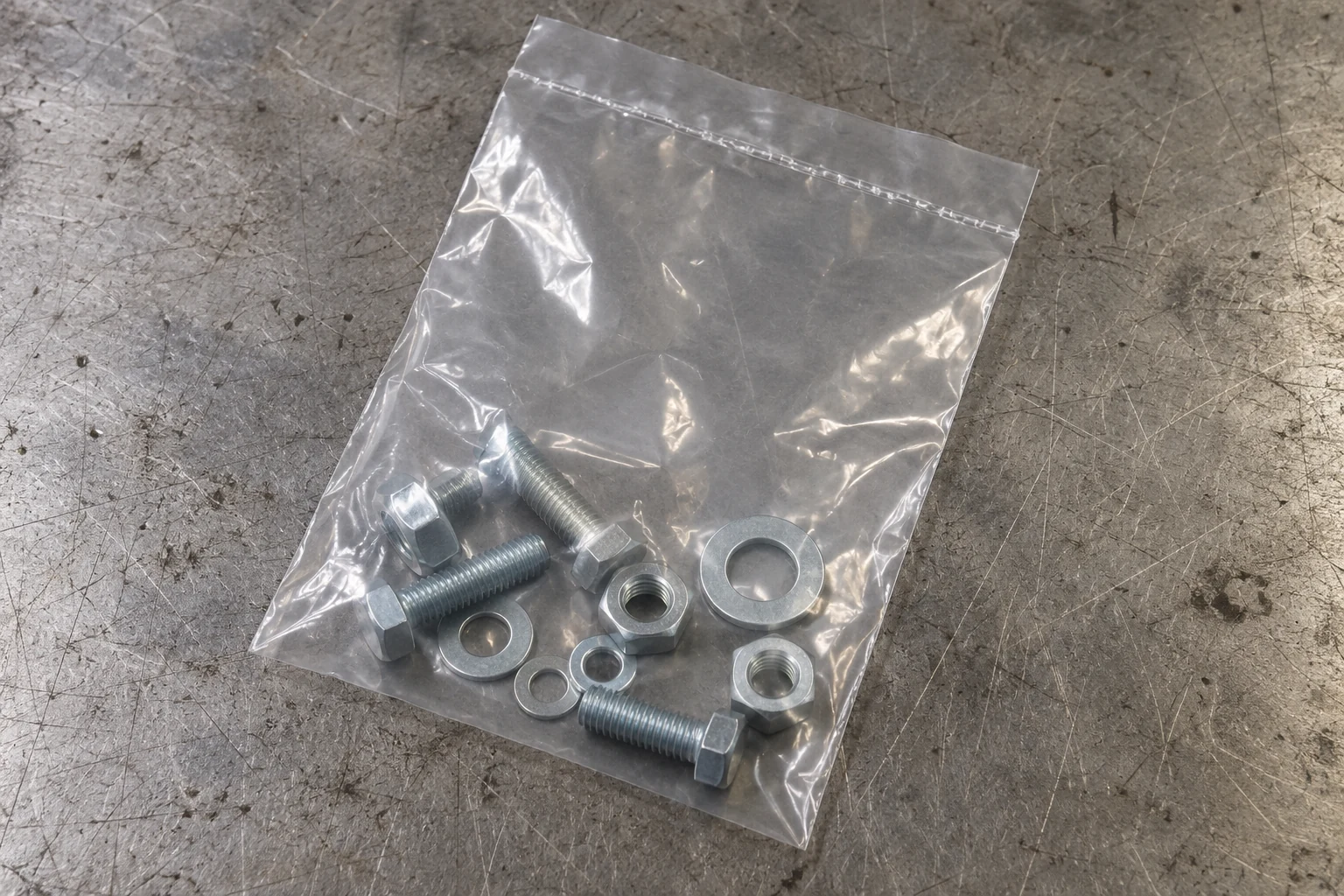
kitting equipment
Compare manual bags and assisted bagging on real high-mix kits, including part behavior, bag support, changeover and accepted output.
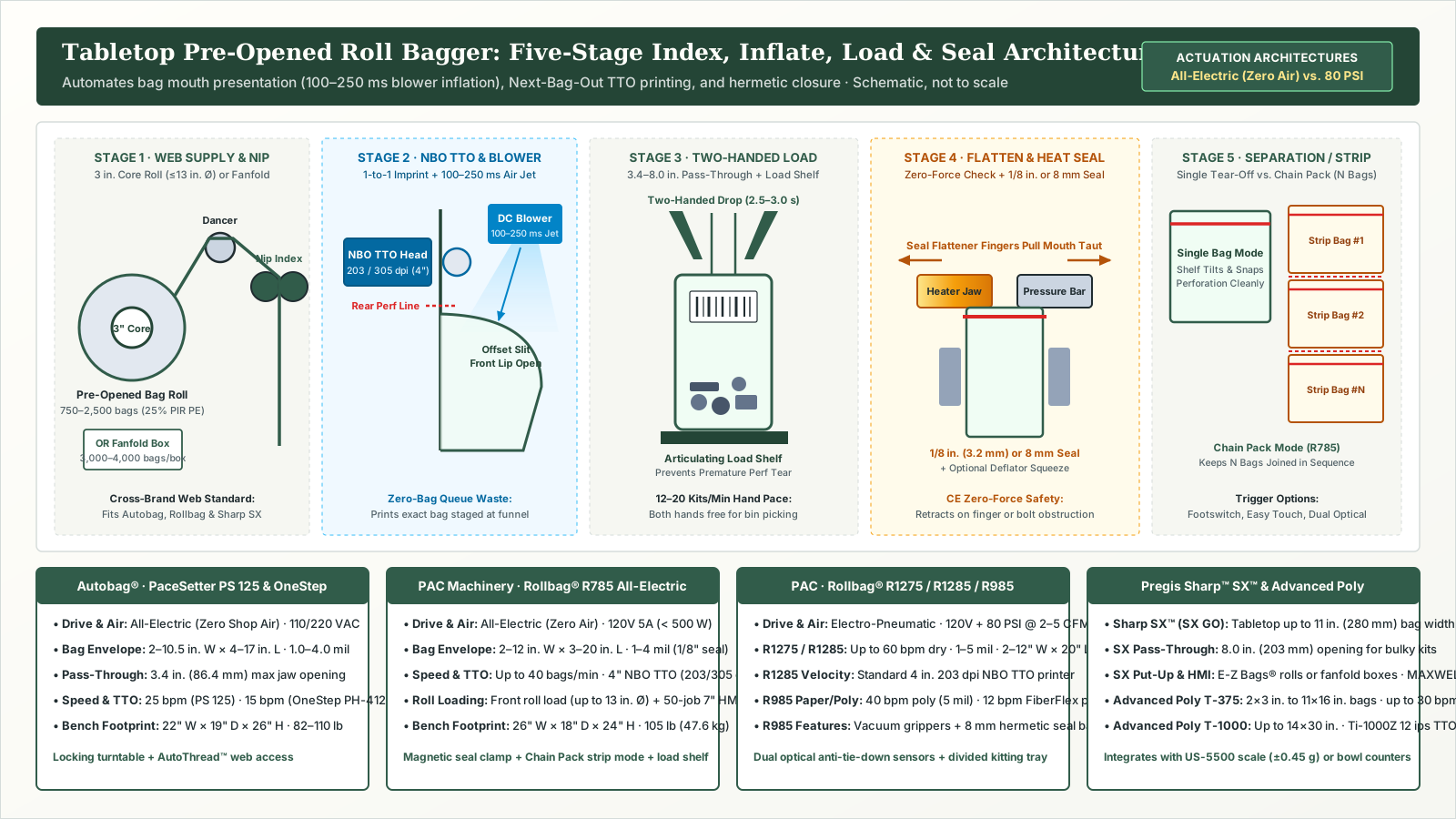
kitting equipment
Configure a tabletop bagging machine and pre opened roll bagger: compare tabletop autobag style bagger specs, slit-lip inflation math, and next-bag-out TTO.