A small-batch packaging journal Independent ideas for practical work.
Possitivity

POSSITIVITY / GUIDE COLLECTION 02

Labeling workstations

Treat product positioning and label identity as separate checks.

Find a guide ↓
Illustration of a conveyor label applicator above spaced kraft cartons in a packaging workshopCollection
02

BEFORE YOU BEGIN

A small-batch labeling station has two jobs: place the label consistently and use the correct information for the product in front of the operator. A guide or roller fixture can help with the first. Artwork control, line clearance and an approved first piece address the second. Plan both before comparing application speed.

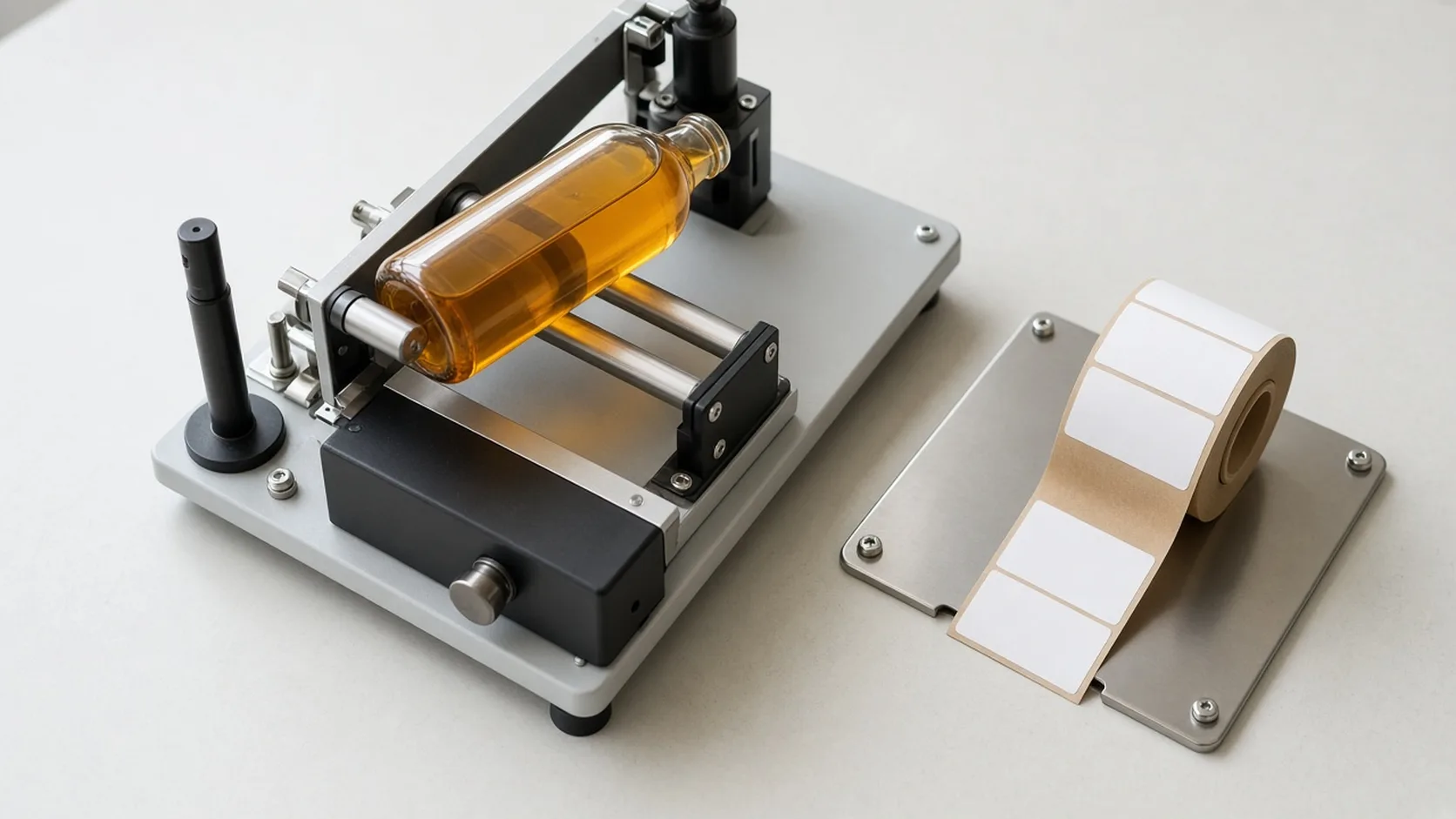
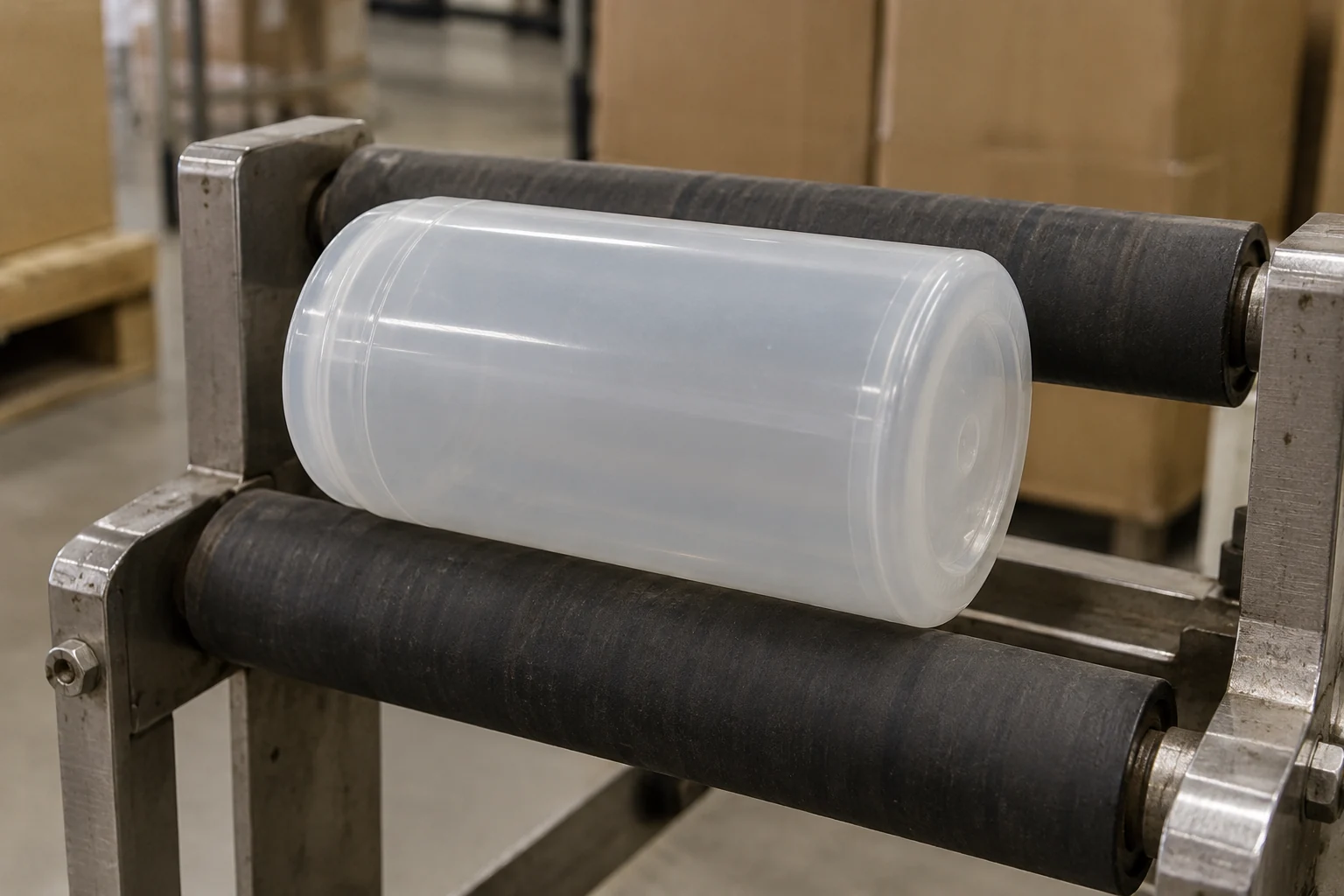
Begin with package shape. A cylindrical container that rolls predictably presents a different problem from a flexible pouch or flat carton. Bring real containers, filled examples where shape changes after filling, and the intended label stock. Confirm how the liner, gap and label material interact with the applicator sensor.

The workstation guide below follows a job from setup through first-piece comparison to end-of-run reconciliation. Use its record fields to preserve the fixture position and label version. When one operator also packs kits, allow a separate place for the previous job’s unused labels before the next SKU enters the station.

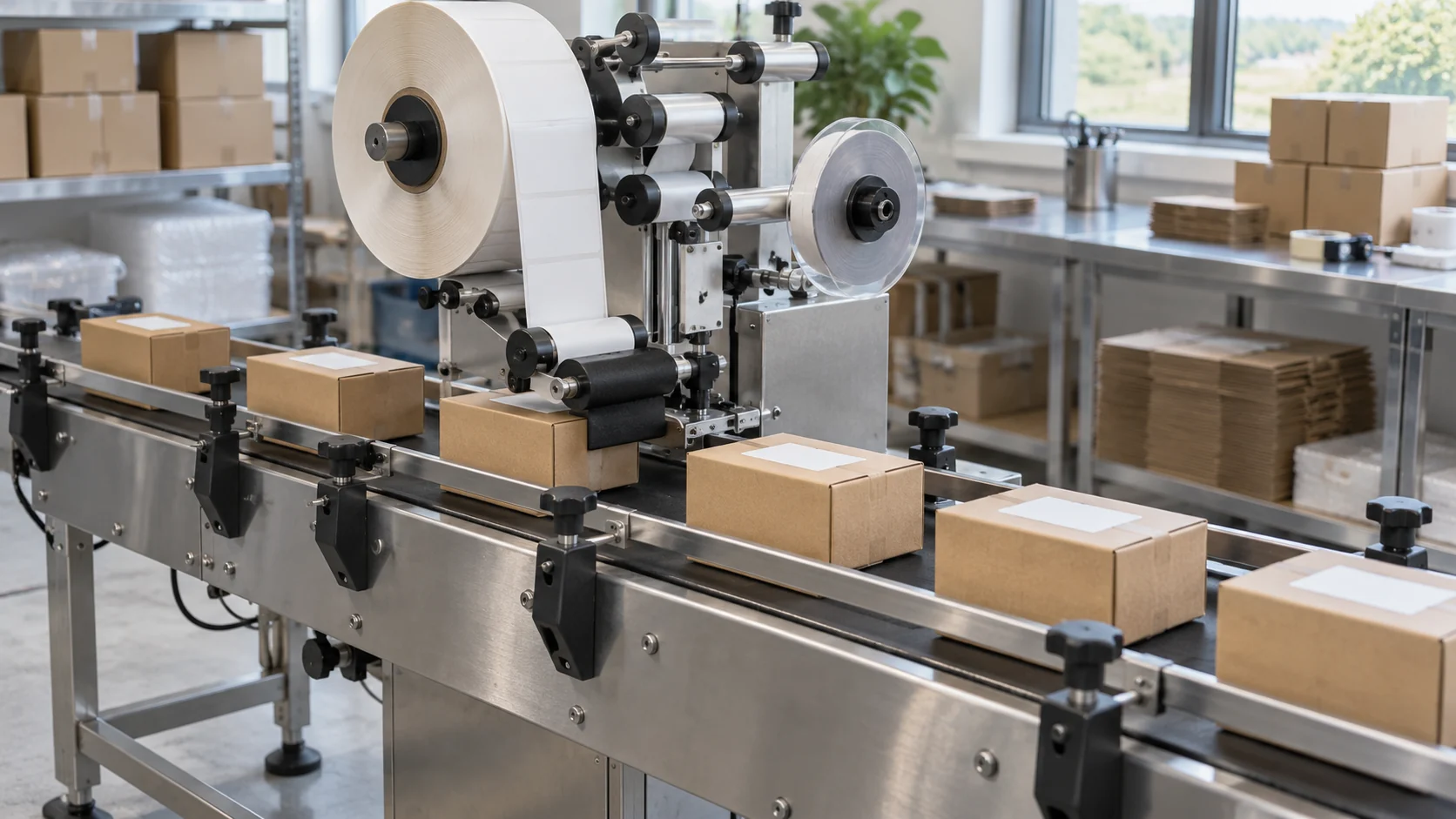
When daily output stretches beyond the bench, compare an automatic label applicator with a semi-automatic workstation using accepted pieces, changeover time, and conveyor synchronization.

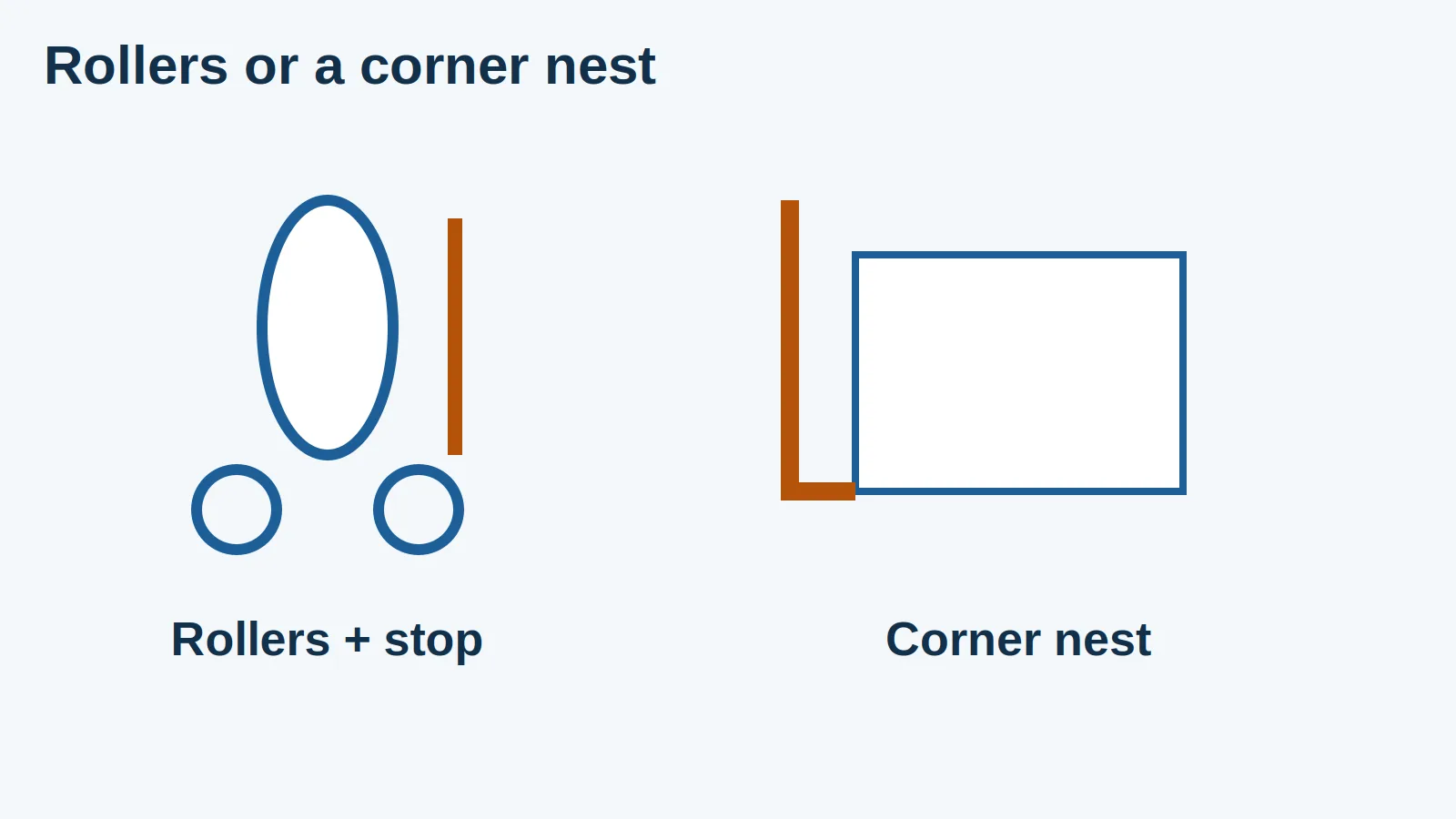
For desktop positioning choices, compare manual label applicator jigs for round bottles and flat products to see which package movements each fixture controls.

THE READING SHELF

Work through the question.

Use Automatic Label Applicator vs Semi-Automatic Workstation: Throughput, Changeover, and Conveyor Sync to compare automatic label applicators and semi-automatic workstations using accepted output, batch changeovers, conveyor pitch, synchronization, and reject checks.

Use Manual Label Applicator: Round-Bottle and Flat-Box Jigs to compare desktop fixtures for round bottles, flat boxes and pouches: which movements they control, how to check skew, and what a jig cannot fix.

Use Semi-Automatic Applicator Peel Angle and Clear-Label Sensing to match peel-plate angle and gap to the named head, then choose optical, capacitive, or ultrasonic sensing from the label stock.

Use Semi-Automatic Labeling Workstations for Small Batches to plan container support, label-stock checks, first-piece approval and a repeatable changeover record for semi-automatic labeling.