A small-batch packaging journal Independent ideas for practical work.
Possitivity

POSSITIVITY / GUIDE COLLECTION 03

Small-batch packaging

Measure whole jobs, including the work between them.

Find a guide ↓
Schematic of a four-stage continuous band sealer machine showing infeed trimmer, PTFE sealing bands, heating bars, pressure wheels, and cooling barsCollection
03

BEFORE YOU BEGIN

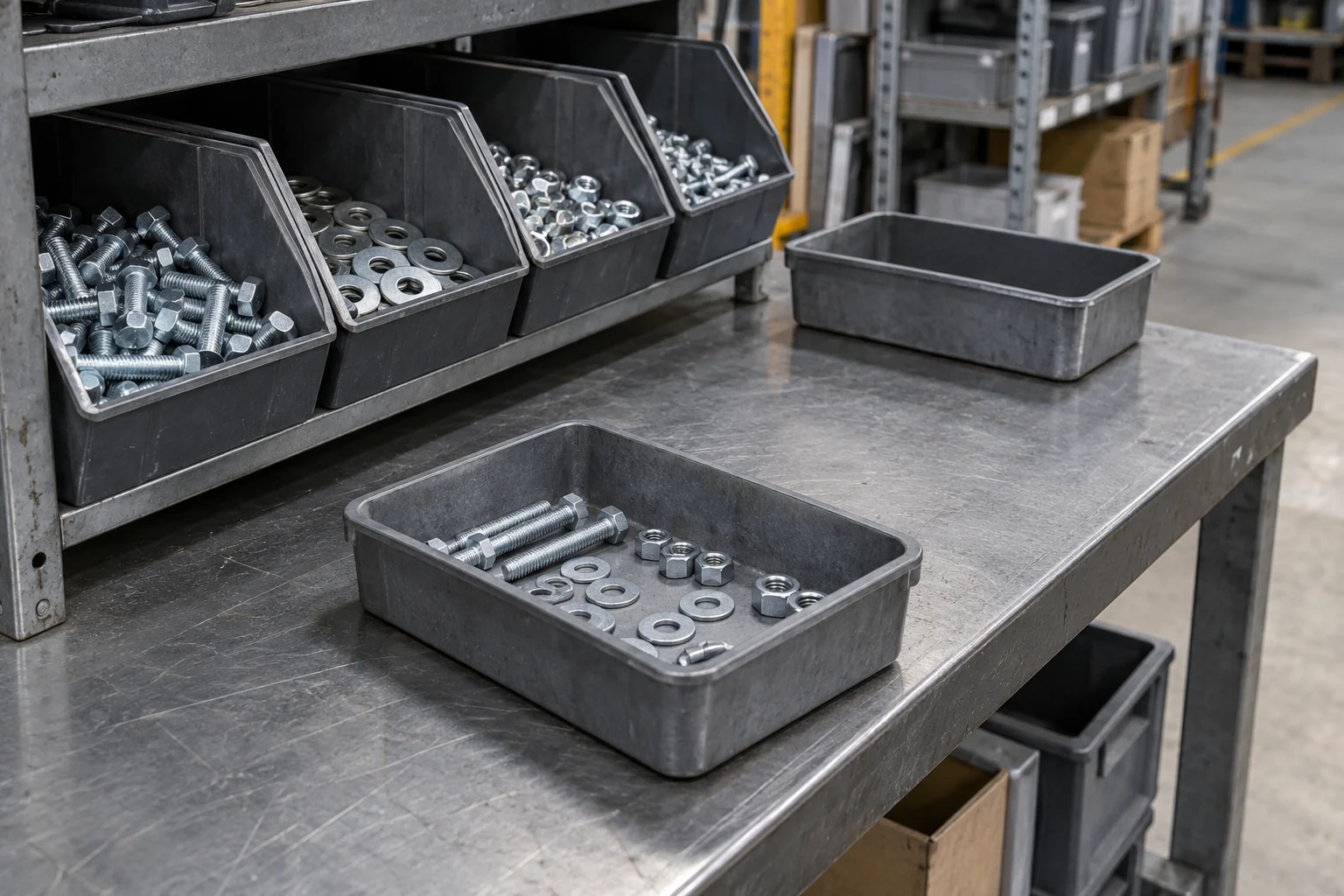
High-mix packaging spends time on decisions that disappear in a catalogue cycle rate: identifying the next order, clearing the previous components, replenishing bins and approving the first finished pack. Count that work when comparing a manual bench with an assisted station. Faster sealing has limited value if operators wait for missing parts.

Start with the process guide to define the route from released kit list to accepted output. Separate incoming stock, active work, unresolved shortages and released kits. This makes the operating problem visible before a capital decision and gives operators a clear way to stop an incomplete order.

The cost guide uses the same boundary but asks which costs actually change. Compare paid hours and accepted kits over the same order mix. Record overtime, recovered capacity and cash savings separately. A bench improvement can be useful without creating an immediate payroll saving; a purchase decision should say which benefit the team expects.

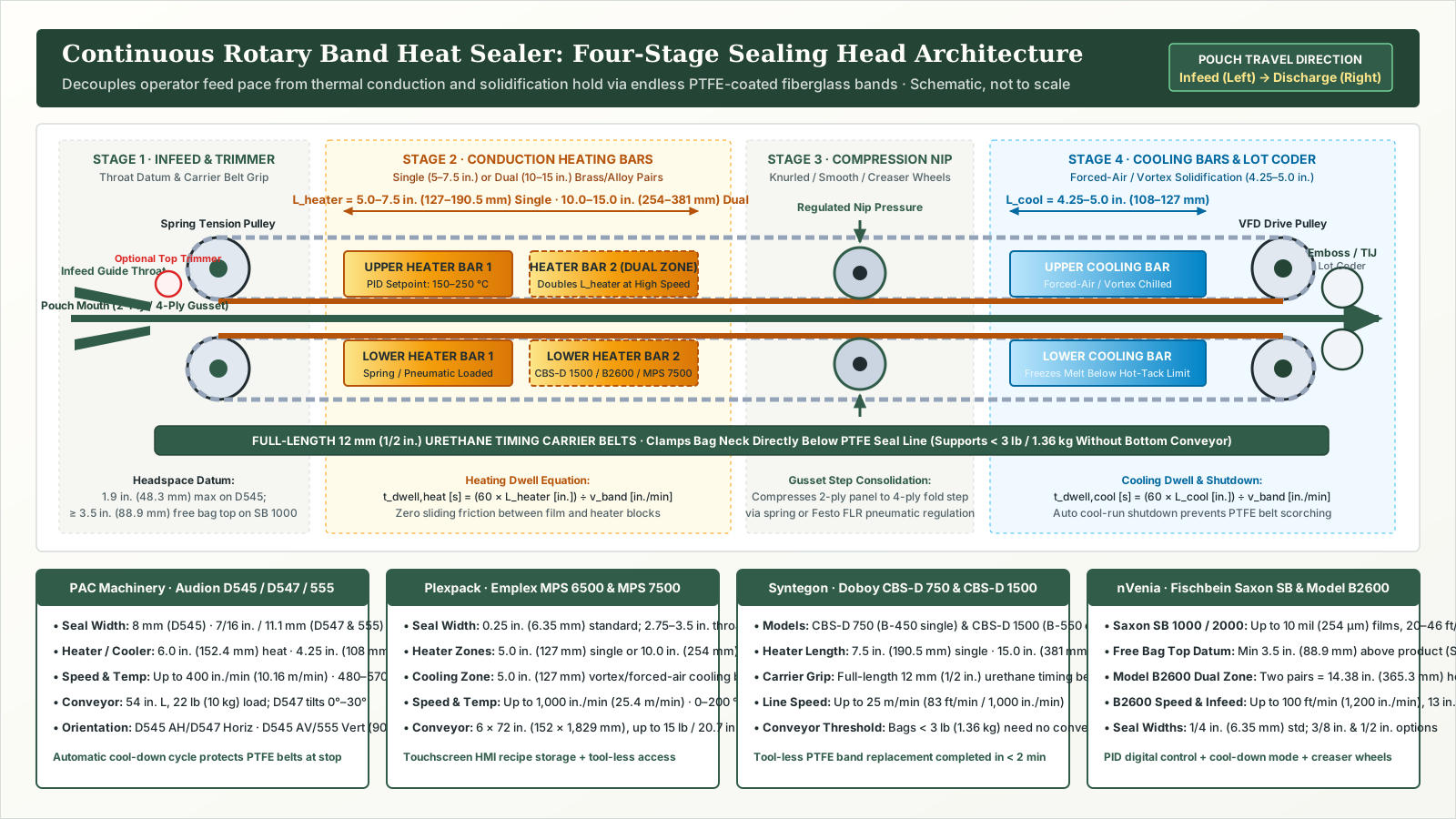
For a sealing step at the bench, compare impulse heat sealer wire widths and timer settings to separate the seal band from heating and cooling decisions, or evaluate a band sealer machine setup for continuous pouch sealing when batch quantities justify thermal warm-up and conveyor height adjustment.

THE READING SHELF

Work through the question.

Use Band Sealer Machine Setup: Horizontal vs. Vertical Orientation, Dwell Math, and Kitting Throughput to configure a band sealer machine and rotary band heat sealer: compare continuous band sealer horizontal vs vertical setups, heat-bar dwell math, and PTFE belt checks.

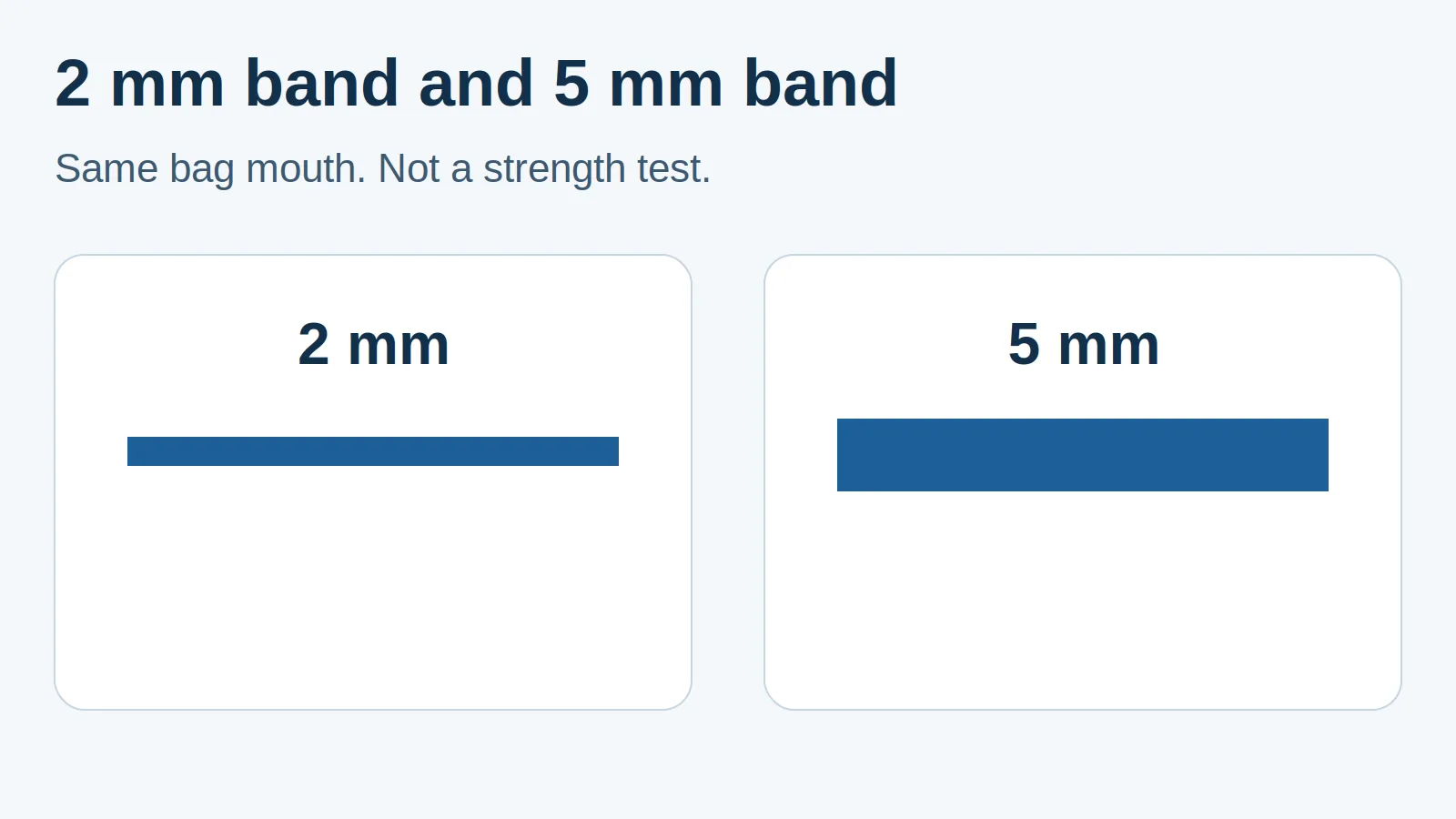
Use Impulse Heat Sealer: Wire Width and Timer Settings to compare 2 mm and 5 mm flat-wire seal bands, separate heat time from cooling under pressure, and plan a small-batch setup trial.

Use Kitting Cost: When Assistive Packaging Equipment Helps to compare full-job cost per accepted kit, including setup, replenishment and rework, before buying assistive packing equipment.

Use Small-Batch Kitting: People, Materials and Packaging Stations to map order release, component replenishment, kit checks and packing handoffs for a repeatable small-batch workstation.